
A Monroe County, New York native plant nursery with a deep connection to local conservation in greater Rochester- through seed grown native perennials, shrubs and trees for yards, businesses, public plantings and natural areas.
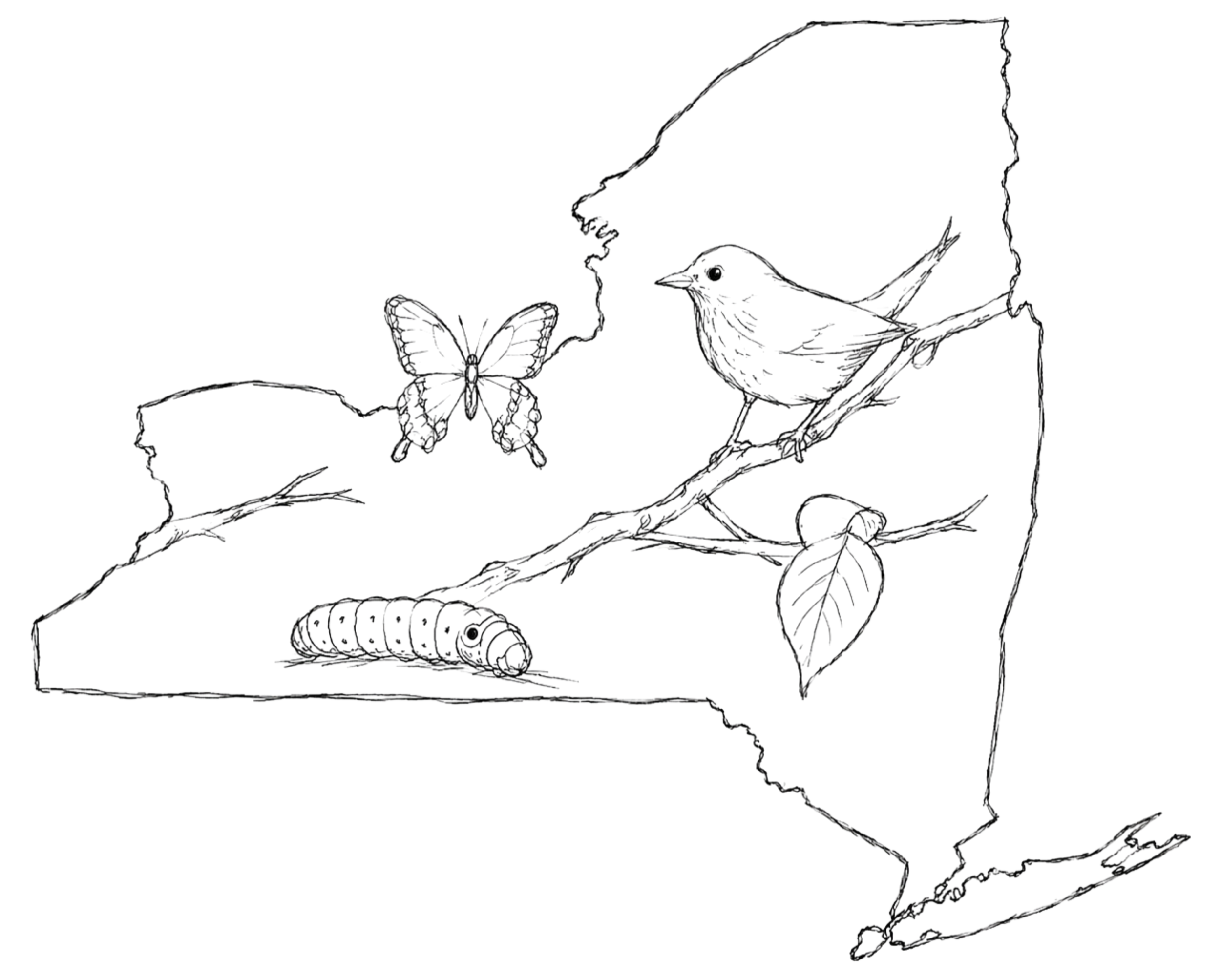
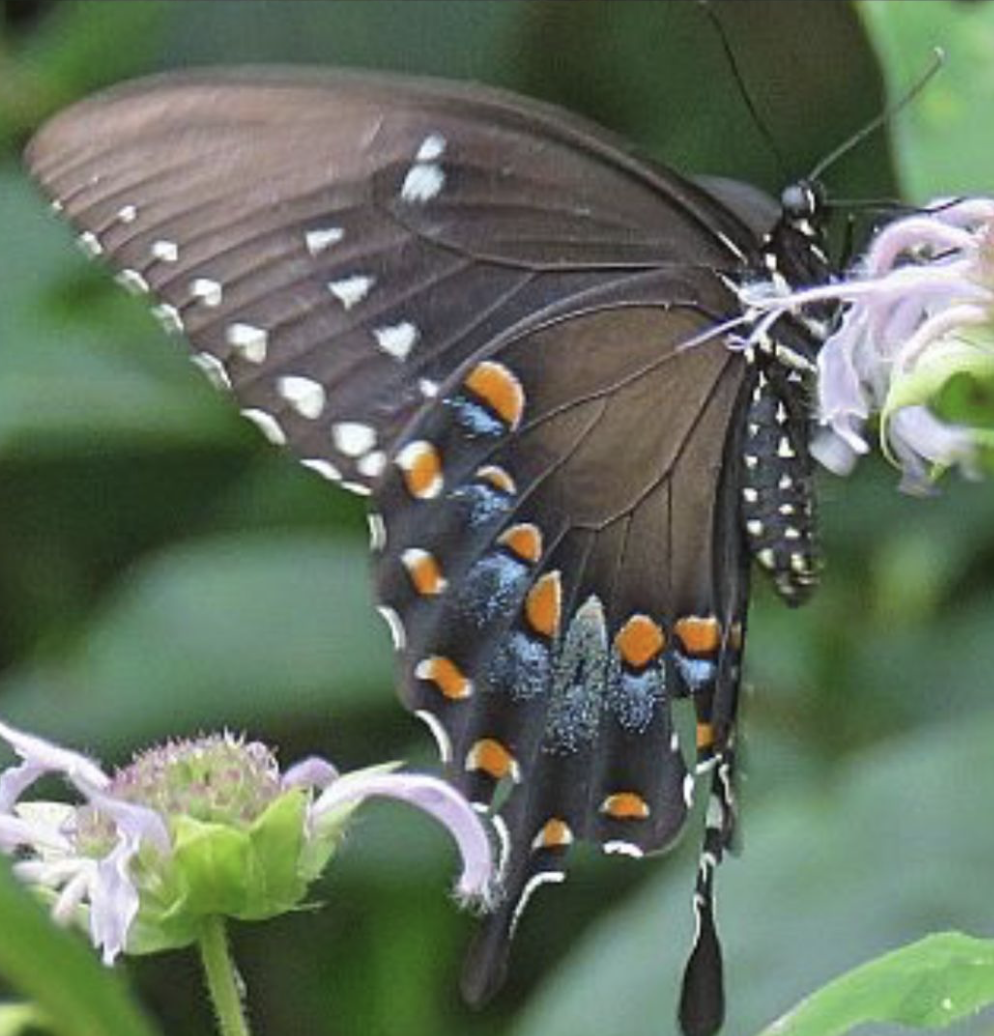
We take our inspiration from the Spicebush (Lindera benzoin) and the community that it supports, including the Spicebush Swallowtail Butterfly.
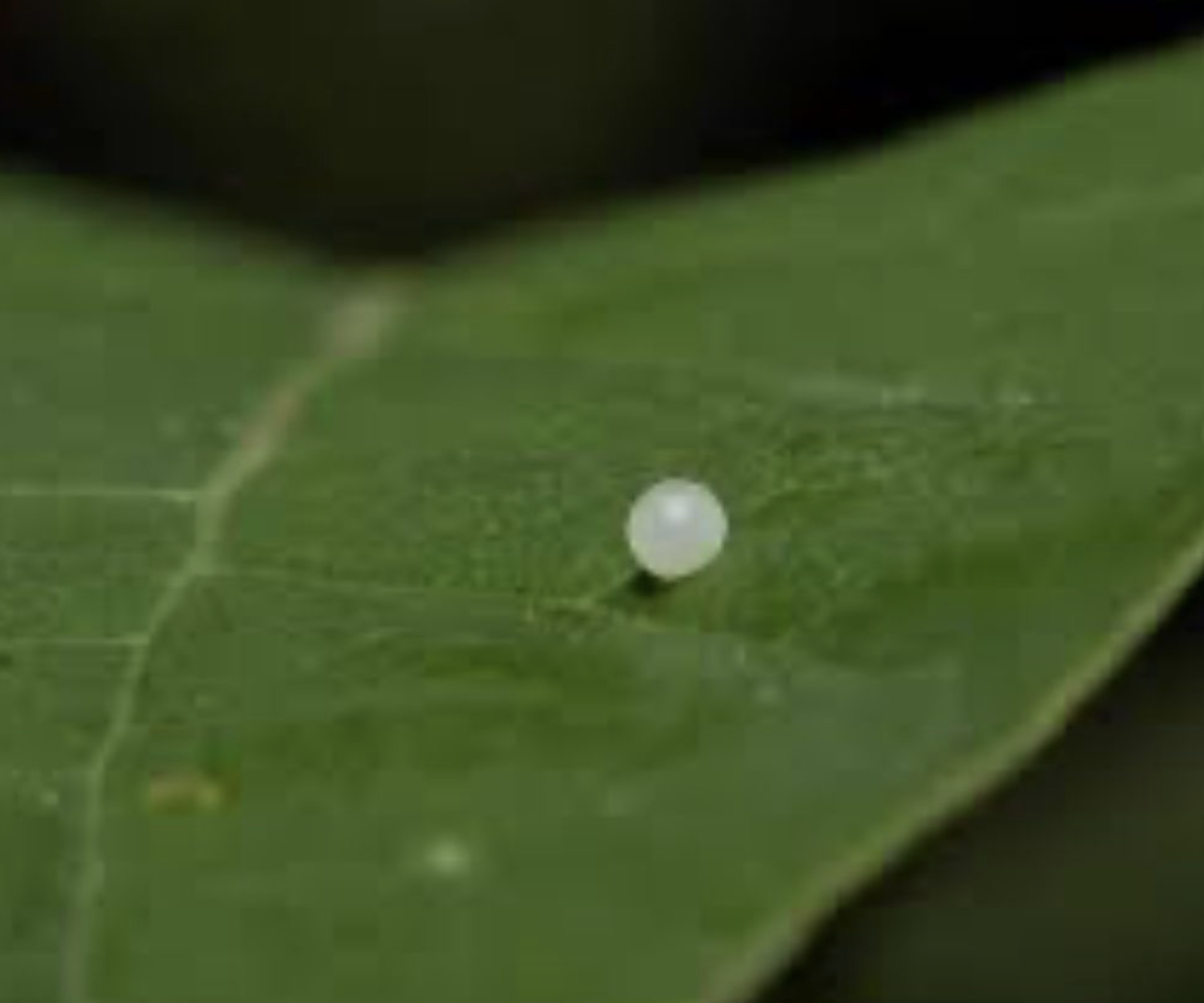
Spicebush Swallowtail egg in early summer.
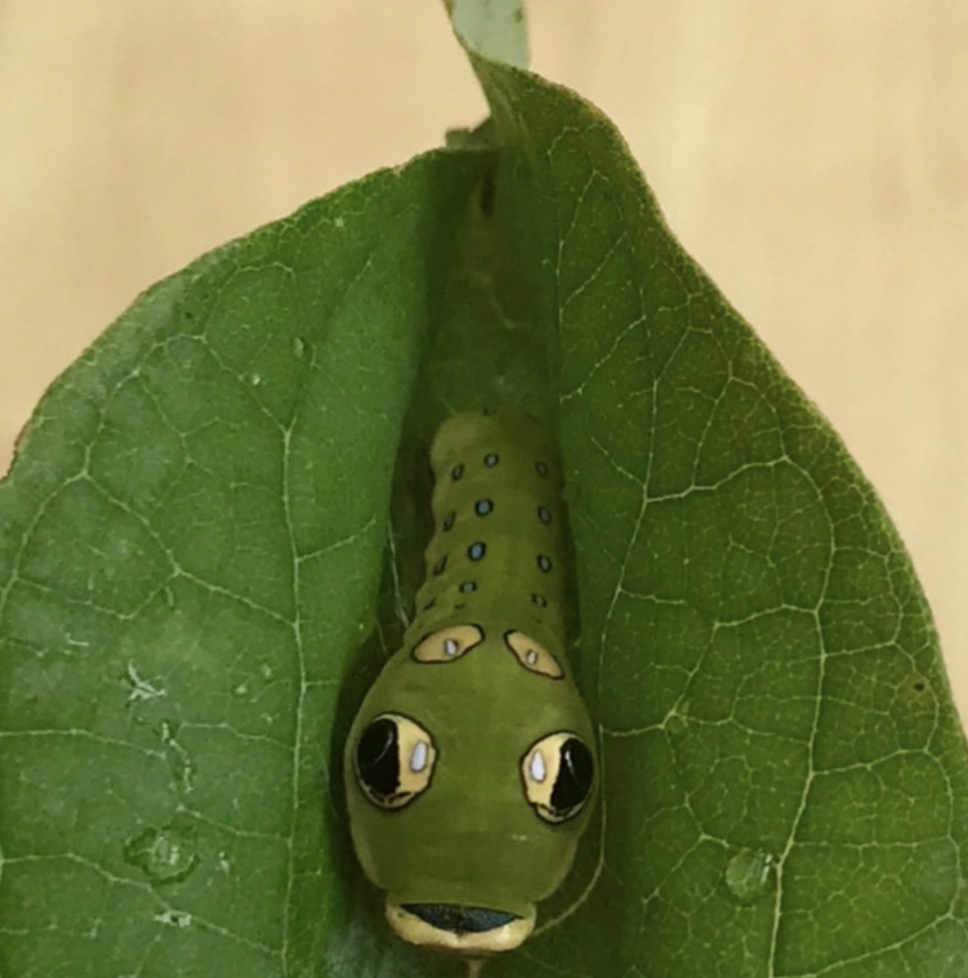
Final instar of the caterpillar.
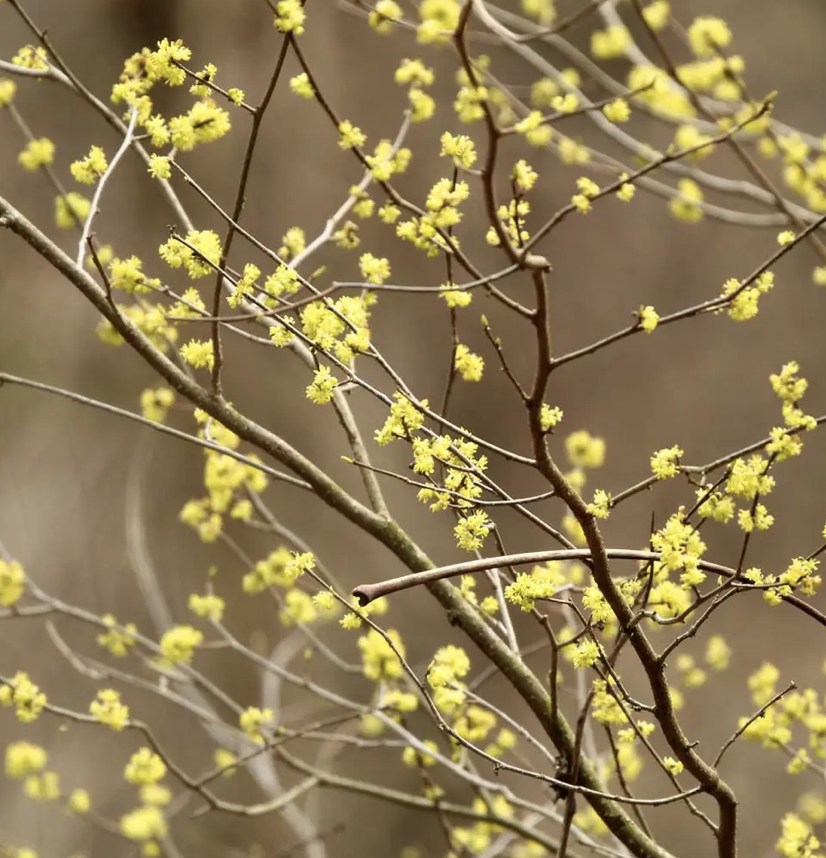
Beautiful early spring blooms that support our native pollinators when they really need pollen sources.
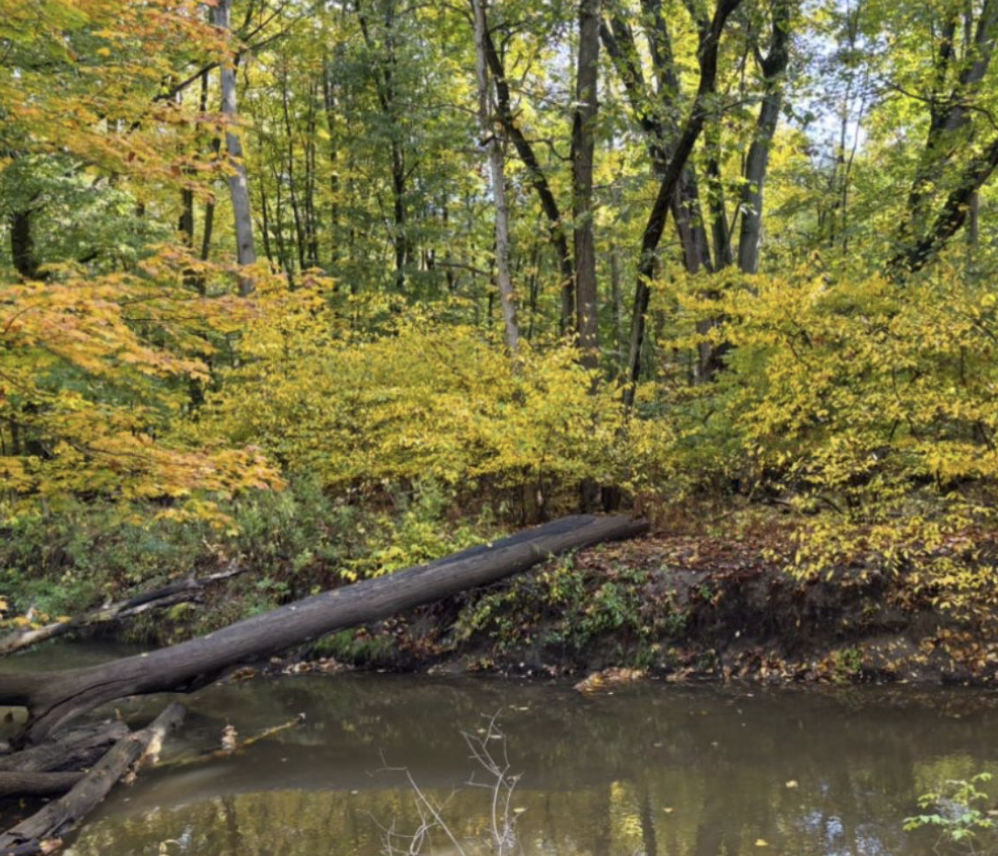
Yellow fall color as seen in the Spicebush understory along Irondequoit Creek in Pittsford.
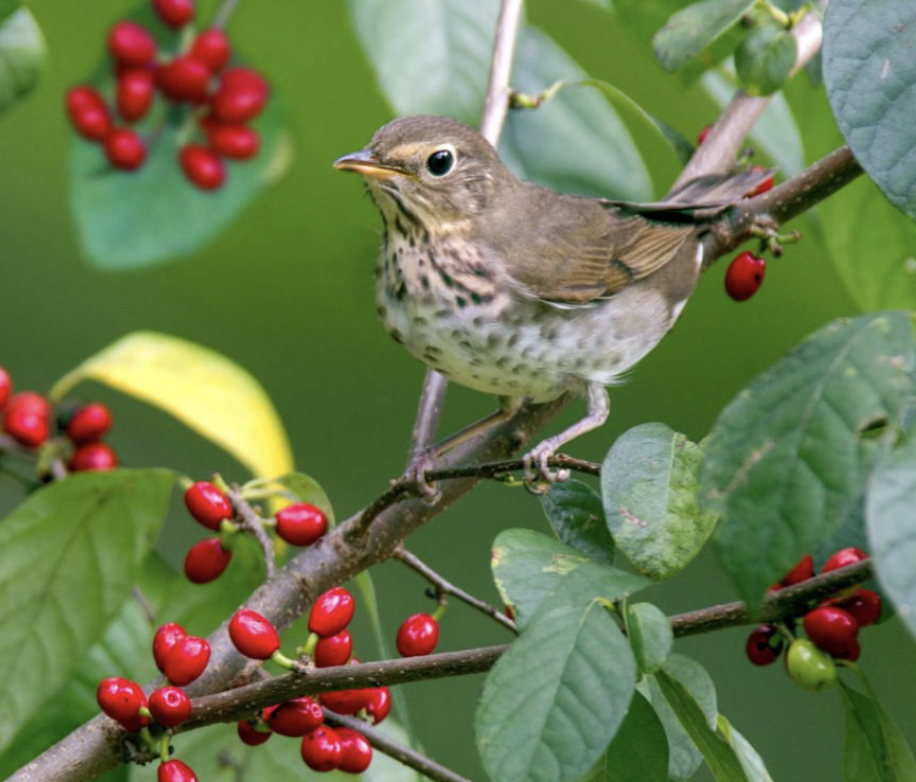
Fall Spicebush berries have the highest fat content of any native berry- preferred by our migratory birds such as the Swainson's Thrush as well as our overwintering birds.
Spicebush Swallowtail Native Plant Nursery LLC is a NYS licensed, plant nursery based in Pittsford, NY. We specialize in plants native to New York and the Eastern Great Lakes Basin Ecoregion. Through our carefully chosen, seed-grown plants, we strive to create reciprocity between yards and fragmented local natural areas. We believe yards can play an important role in local ecology!
Home gardens can support the regional ecosystem by restoring biodiversity and habitat; creating corridors for life as well as for ecosystem services such as carbon sequestration and watershed management. Often plants sold in nurseries are not seed grown but are cloned cultivars that have been selected for people’s preferences not for the benefit of the ecosystem. We make it our mission to change that; offering seed grown native plants that are beautiful, resilient and that help restore our ecosystem.
We also do site visits and create custom designs to help you achieve your ecological goals. Our vision is to create a beautiful, living landscape that will delight with awe and wonder on a daily basis. We believe together, one planting at a time, we can make an impact against biodiversity loss.
How can your garden help?
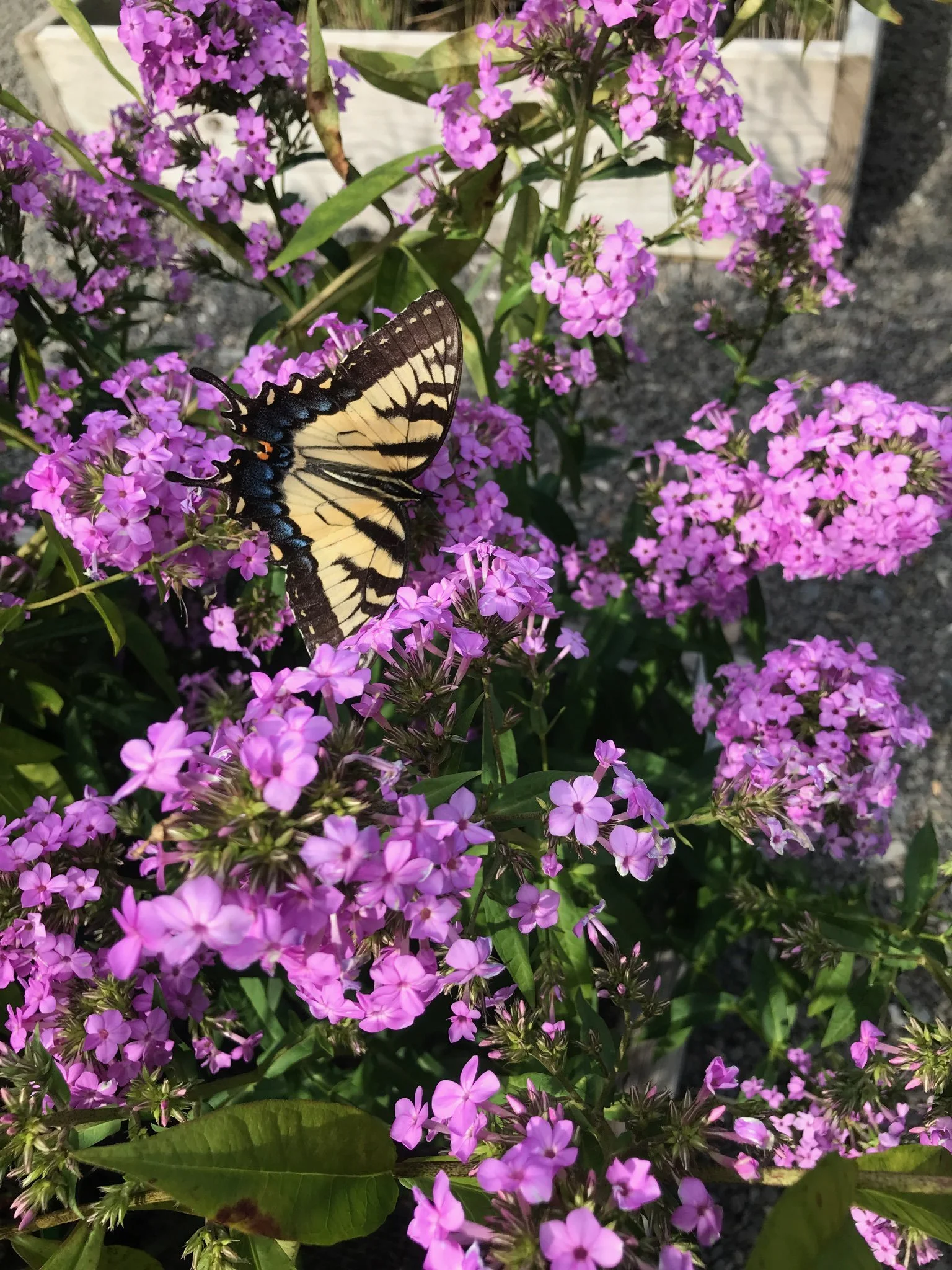
Nectar for Pollinators from March to November
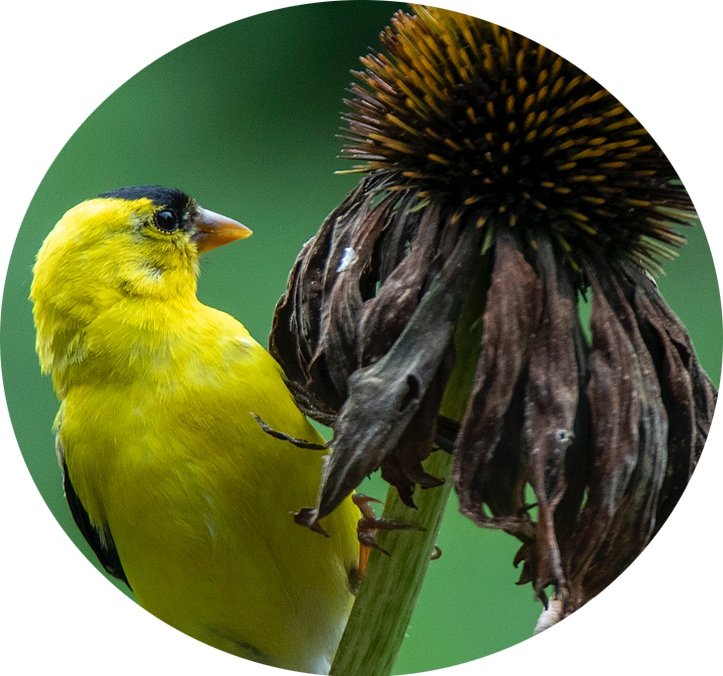
Seeds and Berries for Migrating and Overwintering Birds
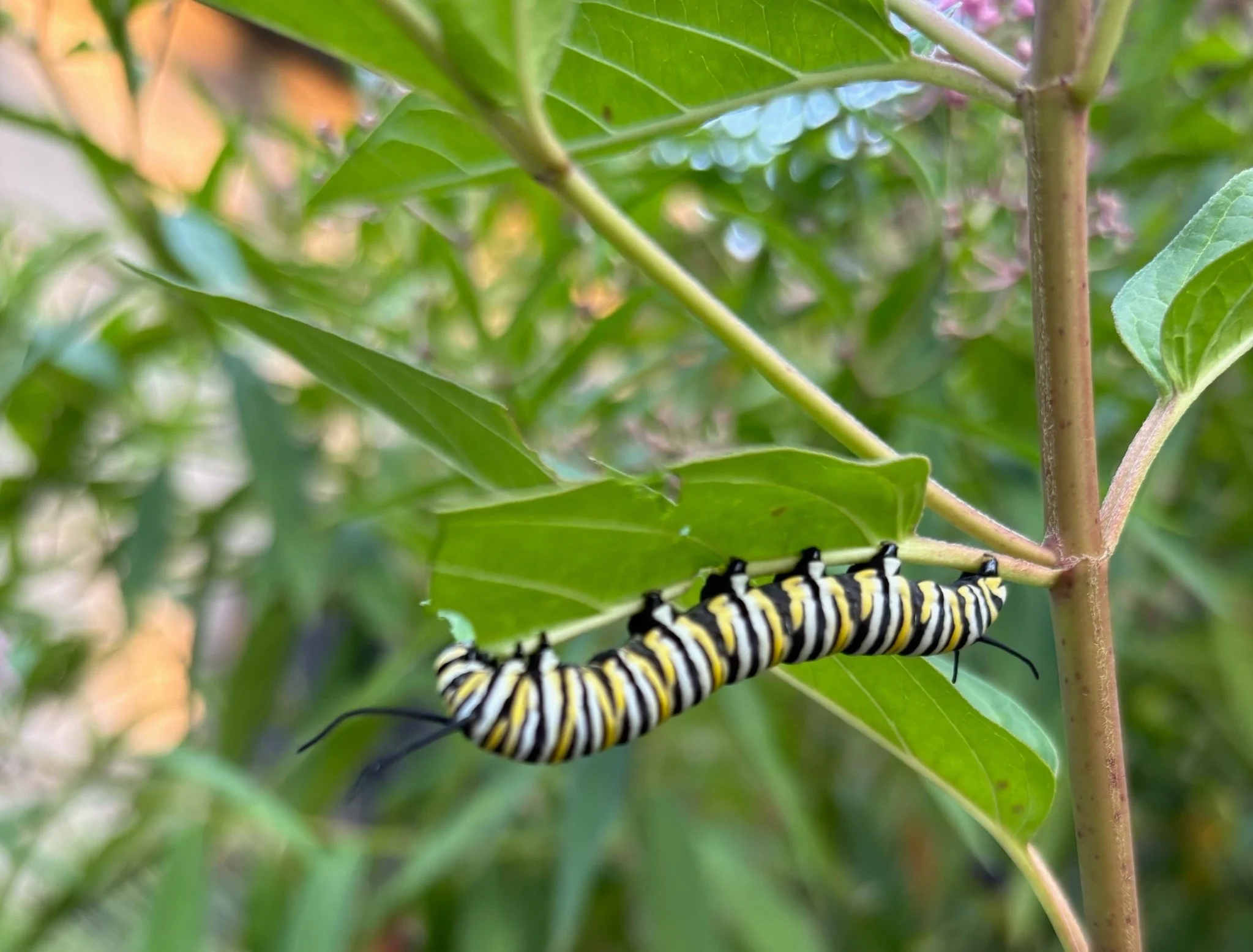
Host Plants for Caterpillars
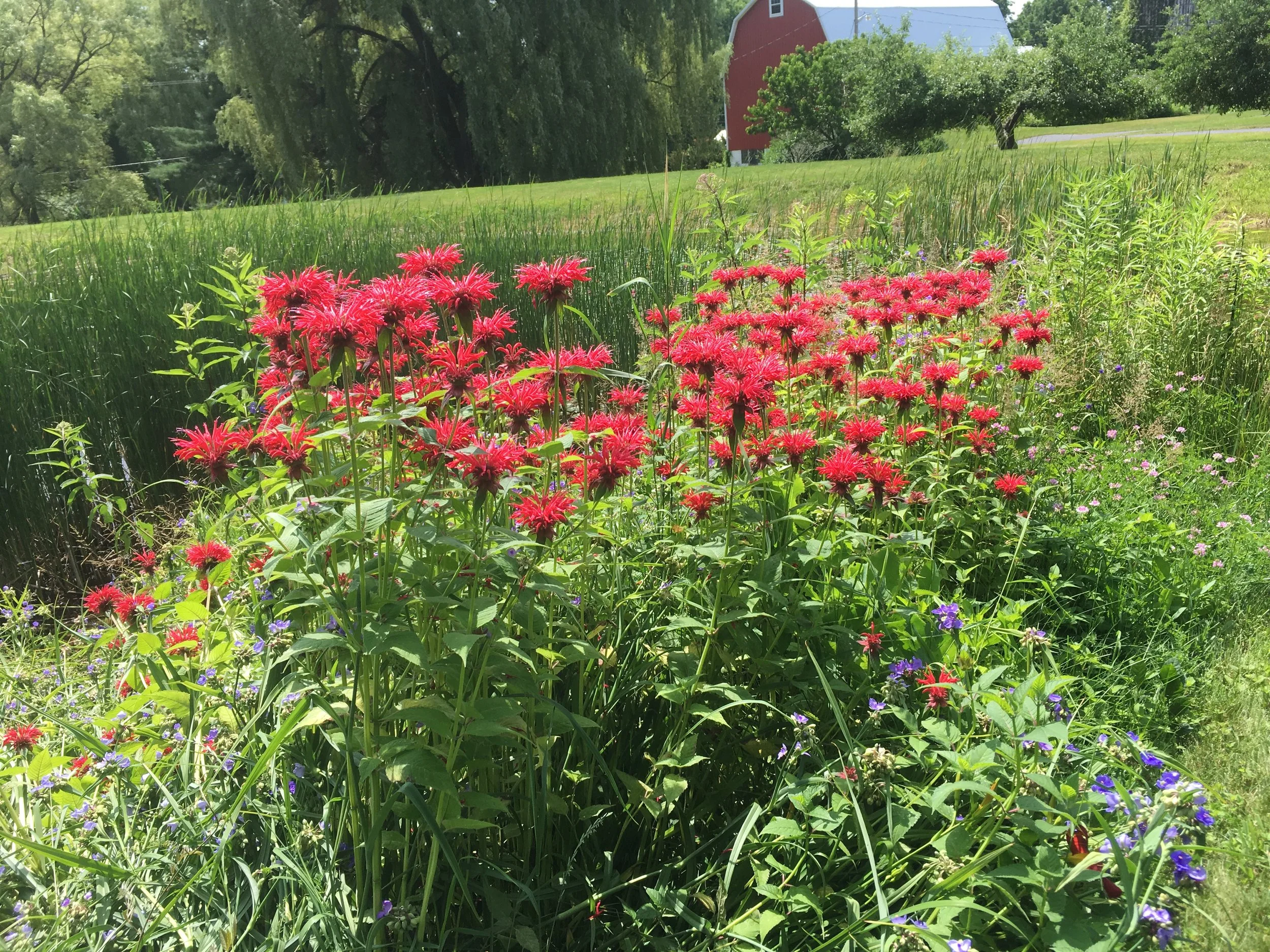
Watershed Management through Buffer Plantings
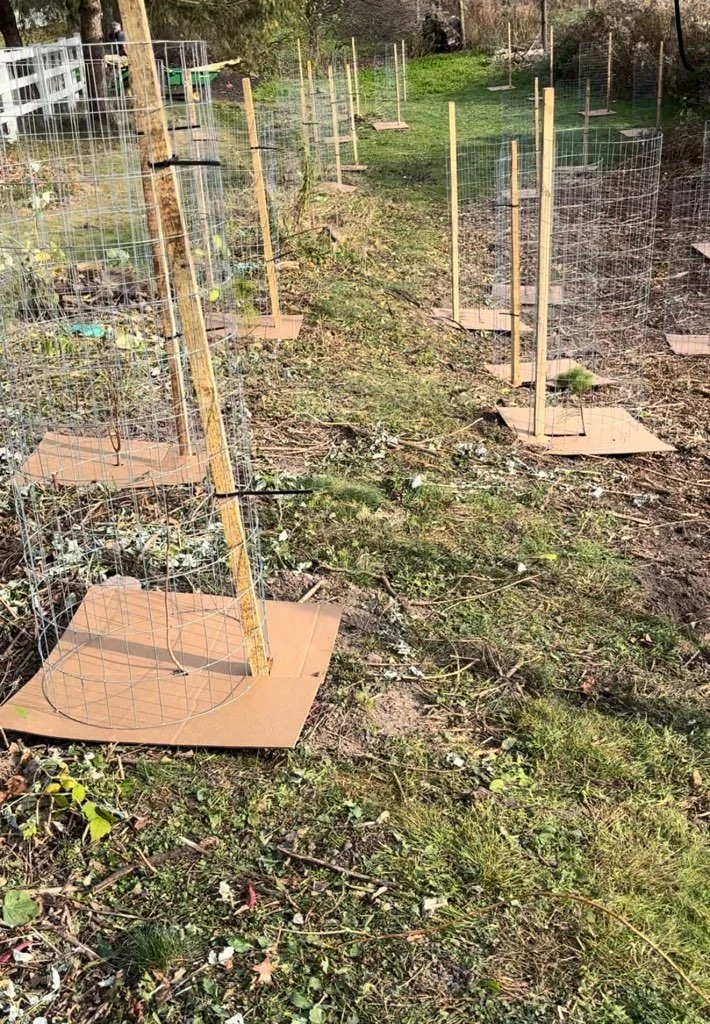
Tree Planting for Carbon Capture
“What if each American landowner made it a goal to convert half of his or her lawn to productive native plant communities? Even moderate success could collectively restore some semblance of ecosystem function to more than twenty million acres of what is now ecological wasteland. How big is twenty million acres? It’s bigger than the combined areas of the Everglades, Yellowstone, Yosemite, Grand Teton, Canyonlands, Mount Rainier, North Cascades, Badlands, Olympic, Sequoia, Grand Canyon, Denali, and the Great Smoky Mountains National Parks.”
— Douglas W. Tallamy, Nature's Best Hope: A New Approach to Conservation that Starts in Your Yard